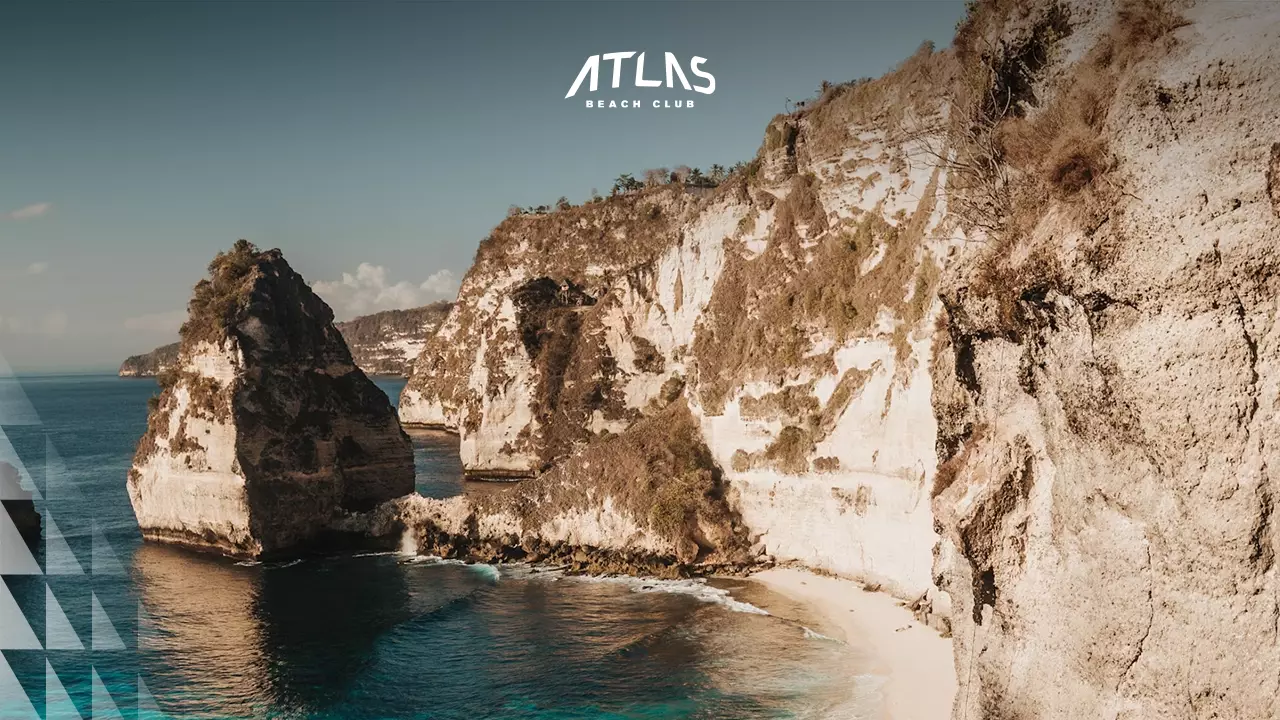
Melasti in Bali: A Journey of Spiritual Purification
Discover Melasti in Bali, a sacred purification ceremony before Nyepi that offers spiritual experiences for foreign and international tourists.
Melasti in Bali: A Journey of Spiritual Purification

Melasti is an ancient Balinese Hindu ritual with spiritual value. It occurs a few days before Nyepi. Locals carry sacred objects and walk to the sea. Foreign and international tourists often witness the event.
What is the Melasti Ceremony?
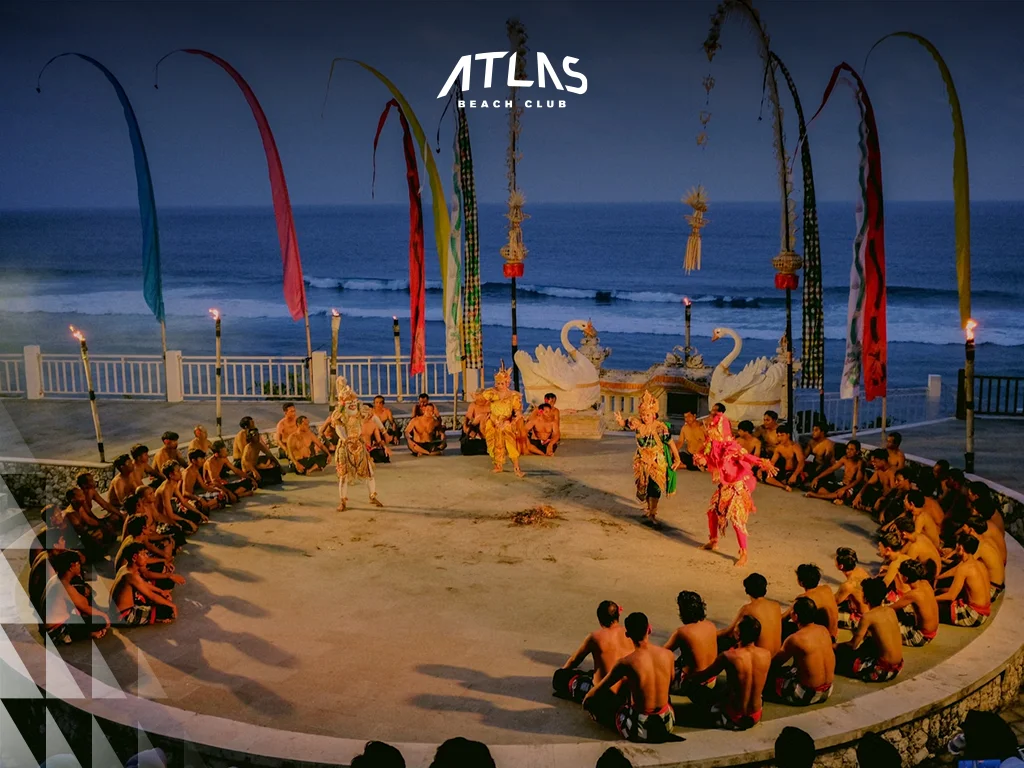
Melasti is a sacred Balinese Hindu ritual held before Nyepi. It symbolizes the cleansing of body, mind, and soul. Communities gather at beaches carrying sacred items. The ceremony prepares for a spiritually pure new year.
Definition and Spiritual Significance in Balinese Hinduism
Melasti is a sacred Balinese Hindu ritual symbolizing spiritual and physical purification before the New Year. It aims to cleanse the soul from negativity and worldly defilements. The ceremony strengthens devotion and reconnects individuals with divine and natural forces. Balinese Hindus believe Melasti restores harmony within self, society, and the universe.
-
It emphasizes the purification of the soul and mind.
-
Conducted before Nyepi for spiritual readiness.
-
Reflects harmony between humans, nature, and the divine.
The connection between Melasti and Nyepi (Balinese New Year)
Melasti is performed a few days before Nyepi, the Balinese Day of Silence. Nyepi marks the Saka New Year. Melasti helps cleanse negative energies before entering the new year. It is a spiritual preparation for inner reflection.
-
Nyepi follows a day of silence and self-reflection
-
Melasti symbolizes cleansing and renewal
-
Performed by all Balinese Hindu communities
Read more: Get To Know 10 Ceremonies In Bali 2025
Symbolism of water in the purification process
Water plays a vital role in the Melasti ceremony. It symbolizes spiritual cleansing and life’s renewal. Sacred sea water purifies people, objects, and spirits. Participants believe water removes sins and brings balance.
-
Water is a sacred cleansing element
-
Represents purity and life force
-
Sea water believed to wash away sins
-
Used to cleanse temple heirlooms and people
When and Where is Melasti Celebrated?
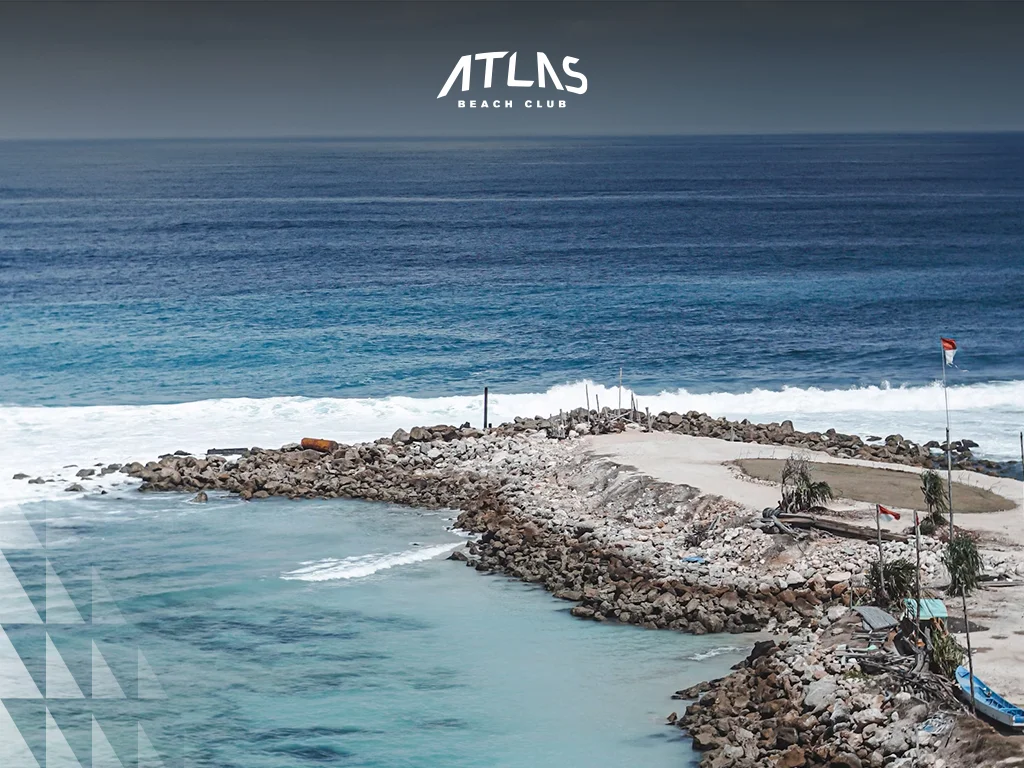
Melasti is celebrated across Bali a few days before Nyepi. It takes place at beaches considered spiritually purifying. Each region holds its own ceremony. Popular spots attract foreign and international tourists seeking cultural insights.
Timing: Held a few days before Nyepi (Silence Day)
Melastitakes place three to four days before Nyepi. It usually occurs during the new moon phase. The date is based on the Balinese Saka calendar. The exact day may differ each year.
-
Happens before Nyepi in March
-
Aligned with the new moon phase
-
Based on Balinese calendar dates
Locations: Most commonly performed on Bali’s beaches
Melasti is performed at beaches like Kuta and Sanur. These spots are chosen for their ocean connection. The sea is believed to be a source of purity. Both locals and tourists gather to watch.
-
Kuta Beach is the main location
-
Sanur Beach also holds big ceremonies
-
Chosen for ocean access and symbolism
Beach, Tanah Lot, and Melasti Beach
Melasti is also held at Tanah Lot and Melasti Beach, which offer dramatic coastal views. The ceremonies there are large and vibrant, and many international tourists attend them.
-
Tanah Lot offers spiritual significance
-
Melasti Beach named after the ceremony
-
Coastal cliffs create scenic processions
Rituals and Process of the Melasti Ceremony
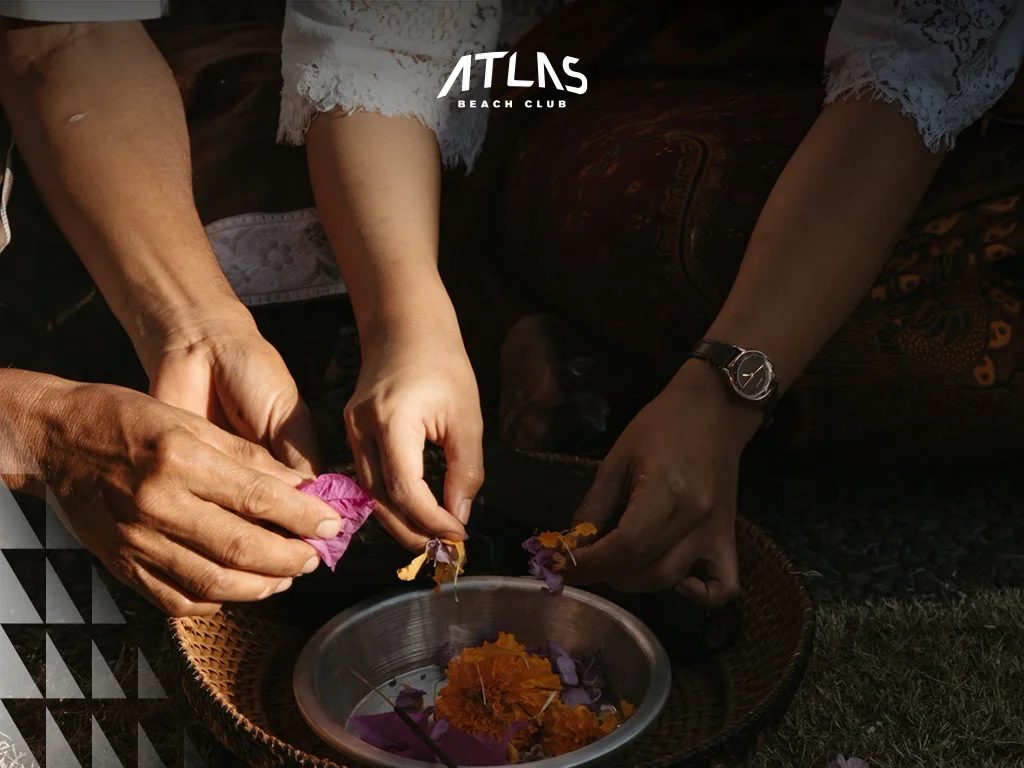
Melasti involves a ceremonial procession from temples to the sea. Sacred objects are carried and purified with holy water. Prayers and offerings follow by the shoreline. The rituals express unity, gratitude, and devotion in Balinese Hinduism.
Procession from temples to the sea
Melasti begins with a grand procession. Participants walk from temples toward the sea, wearing traditional attire and carrying offerings. Music and chanting accompany the walk.
-
Temple groups lead the processions
-
Participants wear white ceremonial clothes
-
Chanting and gamelan music heard
-
Offerings carried by all participants
Carrying sacred objects (pratima) and temple heirlooms for purification
Sacred items, such as Pratima, represent the gods and are carried to the sea. They are purified with holy water, and priests carefully lead the ritual.
-
Pratima symbolizes deities
-
Heirlooms include masks and statues
-
Purified using seawater
-
Priests conduct rituals during the process
Prayers, offerings, and blessings by Hindu priests
Priests chant mantras and bless the participants. Offerings are placed in the sea. Fruits, flowers, and incense are used. Blessings are meant to bring spiritual balance.
-
Priests lead group prayers
-
Offerings made with care and devotion
-
Blessings include holy water sprinkling
-
Aim is to purify and harmonize
The meaning behind the use of holy water
Holy water is essential in Melasti. It is used to cleanse participants and objects. Water is believed to carry spiritual energy. The ritual renews harmony between humans and nature.
-
Holy water called "tirta"
-
Sprinkled on heads and offerings
-
Made sacred through prayers
-
Represents divine blessing and purity
How Tourists Can Experience Melasti Respectfully
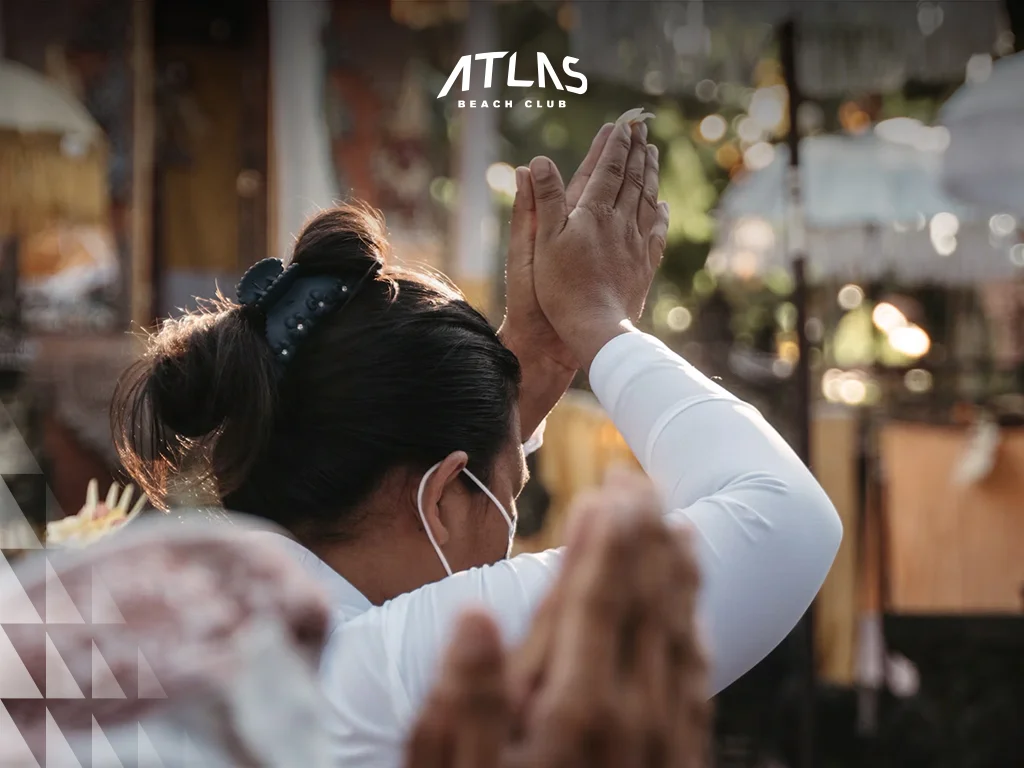
Tourists are welcome to observe Melasti with cultural respect. Many attend ceremonies at beaches like Kuta and Sanur. Understanding etiquette helps preserve the ritual’s sanctity. Photos should be taken respectfully and without interrupting the process.
Best places to witness the ceremony
Tourists can visit beaches like Sanur, Kuta, or Melasti Beach. These places host major ceremonies. Arrive early for good viewing spots. Always observe respectfully.
-
Popular beaches for viewing
-
Large ceremonies open to the public
-
Great opportunity for cultural learning
-
Atlas Beach Club near Melasti Beach
Cultural etiquette and rules for visitors
If possible, wear traditional clothing. Cover shoulders and knees when attending. Avoid loud behavior during ceremonies. Always follow local instructions.
-
Dress modestly for respect
-
No flash photography or drones
-
Observe from a respectful distance
How to take photos respectfully without disrupting the ritual
Photos are allowed but with care. Avoid interrupting sacred moments. Do not block processions. Ask permission before closing shots.
-
Use a zoom lens to keep distance
-
Avoid selfies during rituals
-
Don’t touch sacred items
The Deeper Meaning of Melasti in Balinese Culture
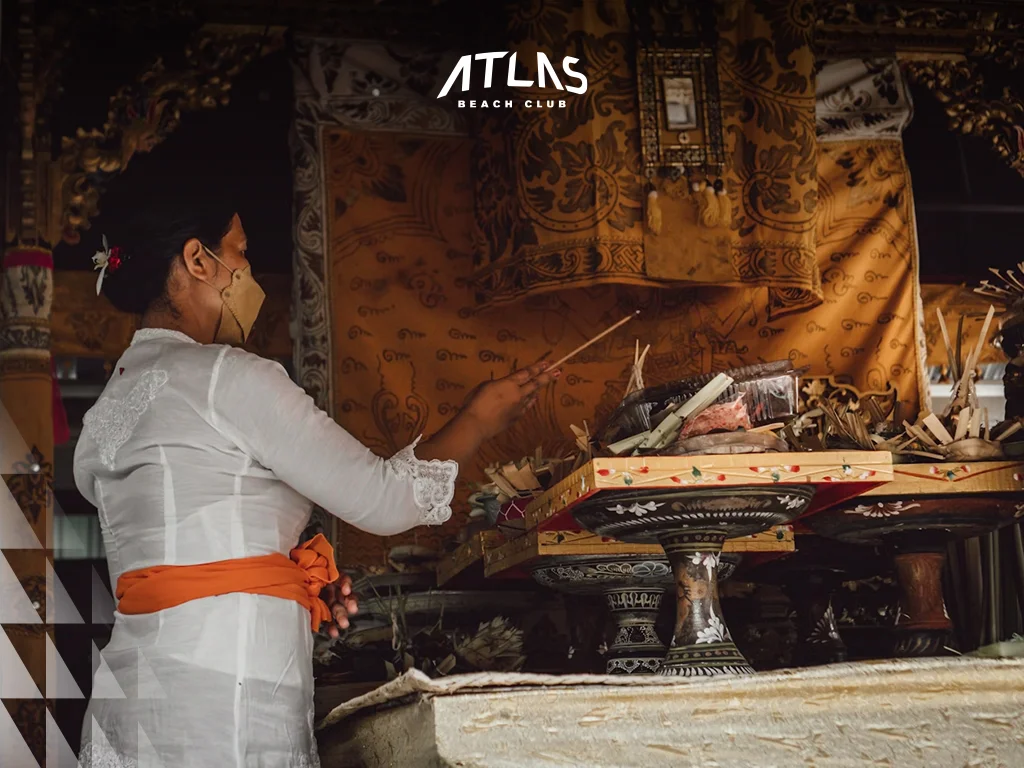
Melasti holds profound spiritual significance for Balinese Hindus. It removes negativity before Nyepi’s silent reflection. The ritual strengthens harmony with nature and the divine. Families participate to purify themselves and seek spiritual balance together.
Cleansing negative energies before Nyepi
Melasti removes negative karma and emotional burdens. It helps start Nyepi with a clean spirit. After the ceremony, participants feel renewed, and families join in this sacred moment.
-
Prepares spirit for silence day
-
Promotes inner peace and calm
-
Clears bad energy from the community
Strengthening the spiritual connection between humans, nature, and the divine
Melasti reflects Bali’s Tri Hita Karana philosophy. It aims to balance relationships among humans, nature, and God. The sea acts as a divine cleanser, and the ritual reinforces these sacred links.
-
Reflects core Balinese belief
-
Sea seen as divine purifier
-
Builds community spiritual strength
How locals prepare for the ceremony
Preparations begin weeks in advance. Villagers clean temples and gather offerings. Traditional clothes are sewn and prepared. Families fast and pray together before Melasti.
-
Community teamwork in preparation
-
Temples decorated for the ceremony
-
Offerings made with local materials
Summary Table: Melasti in Bali
|
Aspect |
Description |
Significance |
|
Ritual |
Purification before Nyepi |
Cleansing mind, body, and sacred objects |
|
Location |
Beaches like Kuta, Sanur, Melasti Beach |
Spiritual link with the sea as a cleanser |
|
Tourist Experience |
Cultural immersion with respectful observation |
Insight into Balinese spiritual life |
FAQs
1. When does the Melasti ceremony happen?
It takes place three to four days before Nyepi, following the Balinese calendar.
2. Where can tourists see the Melasti ceremony?
Popular spots include Kuta, Sanur, Tanah Lot, and Melasti Beach.
3. Is it okay for tourists to take photos during the ceremony?
Yes, if done respectfully without interrupting rituals or blocking views.
4. Can foreign tourists participate in the ceremony?
Participation is limited, but observing and learning is encouraged.
5. What is the purpose of using water in Melasti?
Water symbolizes purification, cleansing both spiritual energy and physical items.

Conclusion
Melasti in Bali is a sacred cultural event before Nyepi. It welcomes both locals and respectful international tourists. The ceremony offers spiritual insight and beauty. Afterward, visit Atlas Beach Club to relax nearby.
Latest News
You Might Also Like

The Best Speakeasies Bar in Bali: Hidden Bars for an Amazing Naughty Night Out
Explore the best speakeasies bar in Bali, perfect for a naughty night out. Uncover why these secret...
Lovina Beach, Bali: A Guide to Calm Waters & Relaxation
Discover Lovina Beach in Bali, a perfect escape with calm waters, dolphin tours, and black sand beac...

7 Remarkable Things to See in Bali for All Ages
There are many things to see in Bali; that's no secret. The Island of the Gods is a repository of al...
Top 9 Things to Do in Bali
Known as ""The Island of The Gods,"" Bali is one of the most popular travel destinations in the worl...