
Ogoh-Ogoh Parade: The Spectacular Eve of Nyepi in Bali
Experience the Ogoh-Ogoh Parade in Bali before Nyepi, featuring giant statues, music, and cultural energy for international tourists.
Ogoh-Ogoh Parade: The Spectacular Eve of Nyepi in Bali
- What is the Ogoh-Ogoh Parade?
- The Significance of Ogoh-Ogoh in Nyepi
- The Making of Ogoh-Ogoh: Art and Creativity
- The Parade Experience: What to Expect
- Best Places to See the Ogoh-Ogoh Parade in Bali
- Tips for Tourists Attending the Parade
- Summary Table: Ogoh-Ogoh Parade
- FAQs
- Conclusion

Ogoh-Ogoh Parade occurs one day before Nyepi, Bali's Day of Silence. It features enormous demon-like statues. These symbolize negative spirits and energies. Foreign and international tourists attend to witness this cultural expression.
What is the Ogoh-Ogoh Parade?
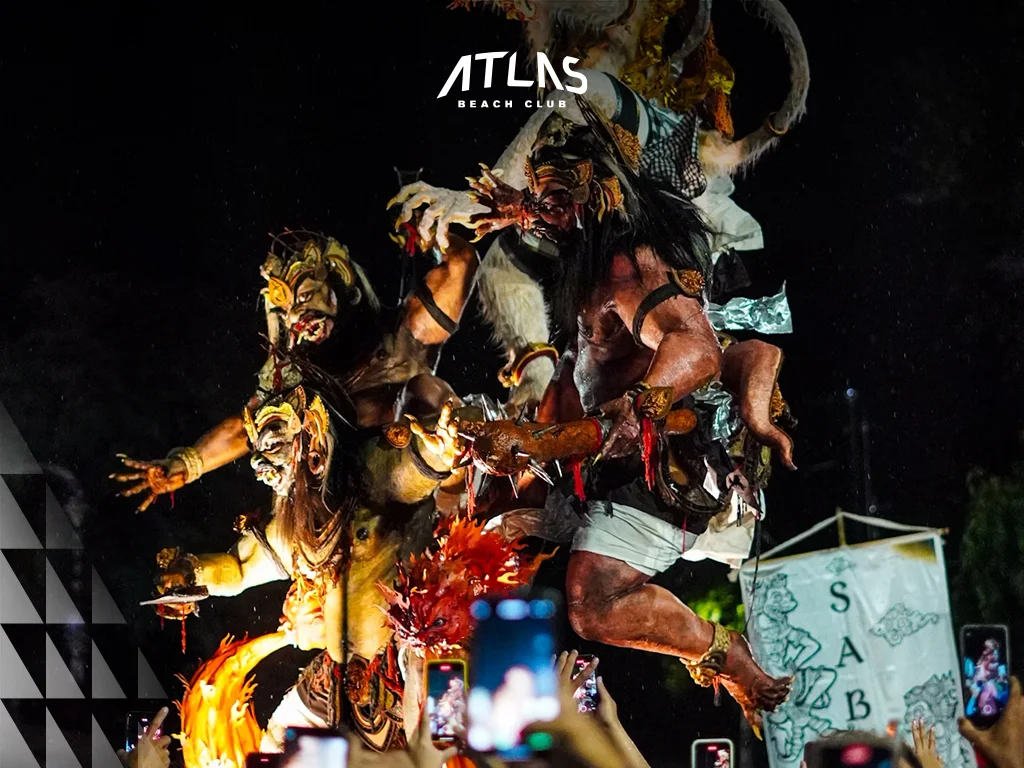
Ogoh-Ogoh Parade is a traditional Balinese ritual. Youths create massive statues with frightening faces. These are carried through village streets at night. The ritual ends with symbolic purification.
Definition and Origins of the Tradition
Ogoh-Ogoh represents evil spirits from Balinese folklore. The parade dates back to the 1980s. It became a cultural addition to Nyepi and grew across villages in Bali.
-
Ogoh-Ogoh symbolizes spiritual impurities
-
Introduced in the late 20th century
-
Part of pre-Nyepi purification
Connection to Balinese Hindu Beliefs and Mythology
Ogoh-Ogoh is rooted in Hindu cosmology. They depict Bhuta Kala, destructive spirits from mythology. The ritual neutralizes evil influences. It prepares the soul for reflection during Nyepi.
-
Based on Hindu epics and demons
-
Represents disharmony and chaos
-
Parade restores cosmic balance
The Role of Ogoh-Ogoh in Purifying the Island
The effigies absorb spiritual negativity. After the parade, they are ritually burned, symbolizing the destruction of evil and marking renewal and balance.
-
Used as energy vessels
-
Burned to eliminate bad influences
-
Community chants empower the ritual
The Significance of Ogoh-Ogoh in Nyepi
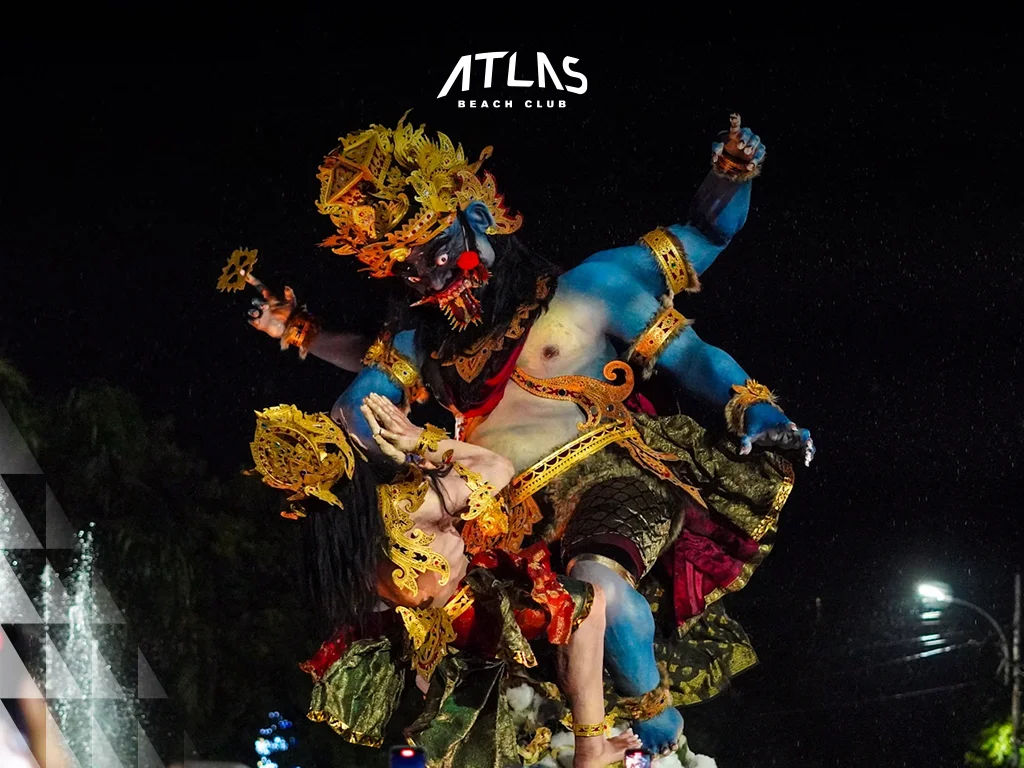
Ogoh-Ogoh prepares the Balinese spiritually. The parade allows people to express, release, and purify. It transitions into Nyepi, a day of silence. The night contrasts with the next day’s stillness.
The Relationship Between Ogoh-Ogoh and Nyepi (Day of Silence)
The Ogoh-Ogoh Parade occurs just before Nyepi. It clears negativity before meditation. Nyepi follows with no noise, light, or travel. The two rituals create spiritual balance.
-
Parade is energetic and expressive
-
Nyepi is peaceful and silent
-
One purges evil; the other reflects inward
Symbolizing the Removal of Negative Energies Before the New Year
Ogoh-Ogoh represents negative elements like greed and anger. The parade confronts them visually. Burning ends their influence. A new year begins clean and focused.
-
Represents spiritual housecleaning
-
Clears karma and mental baggage
-
Visual symbols help awareness
How It Prepares Balinese Hindus for a Day of Meditation and Reflection
Releasing chaos allows for stillness. After celebration comes introspection. The community fasts and prays. Ogoh-Ogoh opens the door to clarity.
-
Prepares mental space for silence
-
Acts as a spiritual reset
-
Builds contrast for a deeper impact
The Making of Ogoh-Ogoh: Art and Creativity
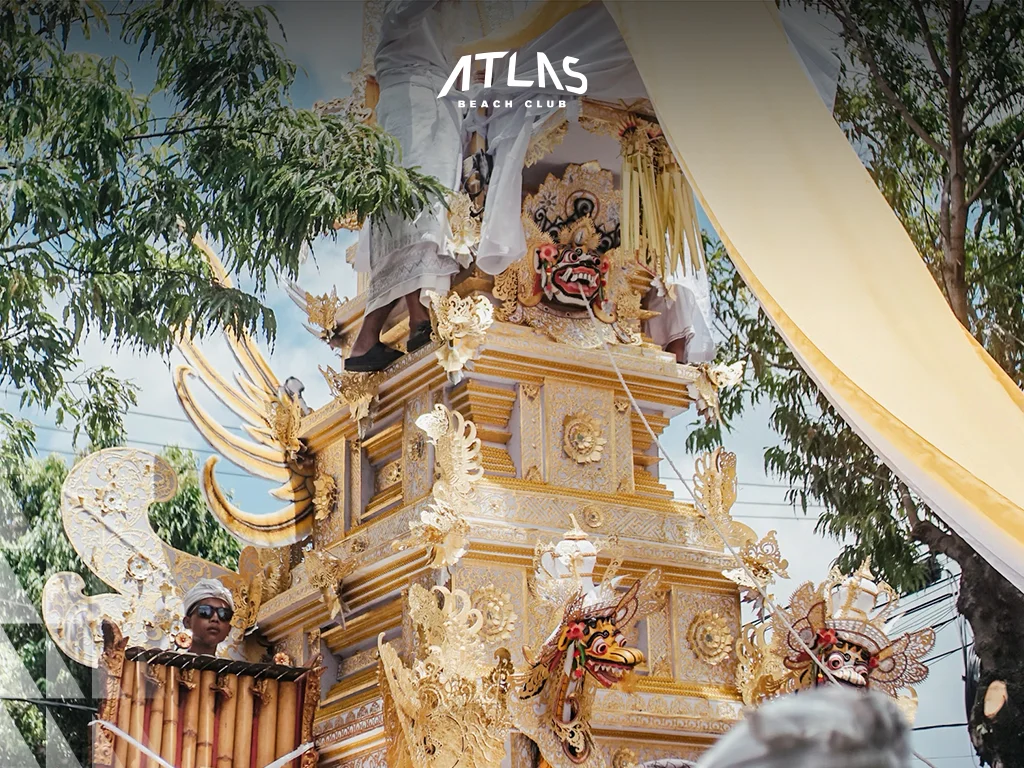
Each village forms youth groups called sekaa teruna. They design and build the statues together. The process is competitive and artistic. Designs become more creative every year.
How Villages and Youth Groups (Sekaa Teruna) Create Ogoh-Ogoh
Each group selects a design. They research mythology or choose modern themes. Work begins weeks before Nyepi. Teams coordinate materials, labor, and artistry.
-
Groups formed by village youth
-
Collaborative planning and construction
-
Stories often inspire themes
Traditional Materials Used (Bamboo, Paper, and Paints)
Ogoh-Ogoh uses eco-friendly materials. Bamboo forms the structure. Paper, glue, and cloth shape the figure. Bright paint adds detail.
-
Bamboo is light yet strong
-
Newspaper and cloth for detail
-
Natural glue is safe to burn
The Evolution of Ogoh-Ogoh Designs from Traditional Demons to Modern Themes
Old statues depicted demons and monsters. Now, some show pop culture or social themes. Modern designs engage younger viewers. Tradition merges with innovation.
-
Classic figures from Hindu epics
-
Satirical or political characters now appear
-
Encourages artistic expression
-
Reflects current cultural values
The Parade Experience: What to Expect
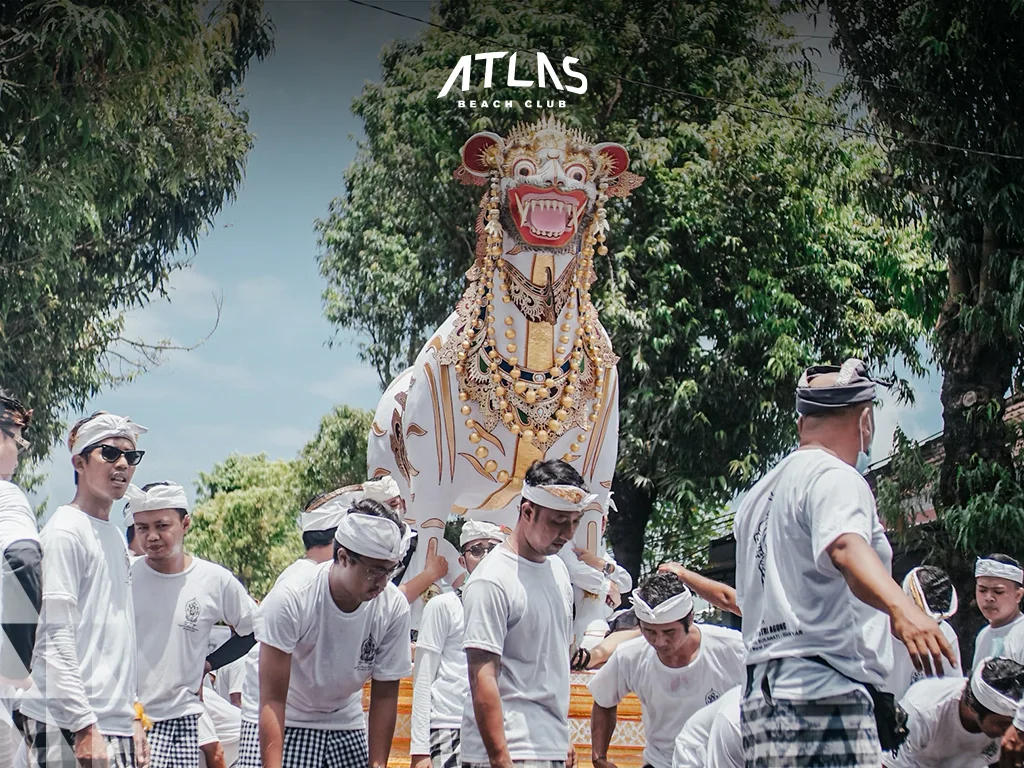
The parade begins at sunset. Crowds line the streets. Statues move through neighborhoods with music and fire. The event ends with burning.
When and Where the Parade Takes Place (Nyepi Eve, Major Streets and Temples)
The parade happens across Bali’s villages. Denpasar, Ubud, and beach areas are popular. Streets close to traffic. Nyepi Eve marks the date.
-
Starts around 6 PM
-
Major roads blocked
-
Held in temples and city centers
The Atmosphere: Music, Dancing, Gamelan Performances, and Firecrackers
Gamelan orchestras play traditional beats, firecrackers crack the sky, and dancers in costumes perform. The energy builds spiritual intensity.
-
Music includes bamboo and drum instruments
-
Traditional dance adds drama
-
The fire used to ward off spirits
The Ritual of Burning or Disposing of Ogoh-Ogoh After the Parade
The statues are burned or sunk in water. Fire purifies the evil energy. Some communities recycle the pieces. The act finalizes the ritual.
-
Fire is cleansing and symbolic
-
Burning removes spirit energy
-
Ends celebration with transformation
-
Peace returns before Nyepi
Best Places to See the Ogoh-Ogoh Parade in Bali
Many locations in Bali host the parade. Some offer grand events, and others provide deeper cultural connections. Each gives a unique experience.
1. Denpasar (Puputan Square): The Grandest and Most Vibrant Celebrations
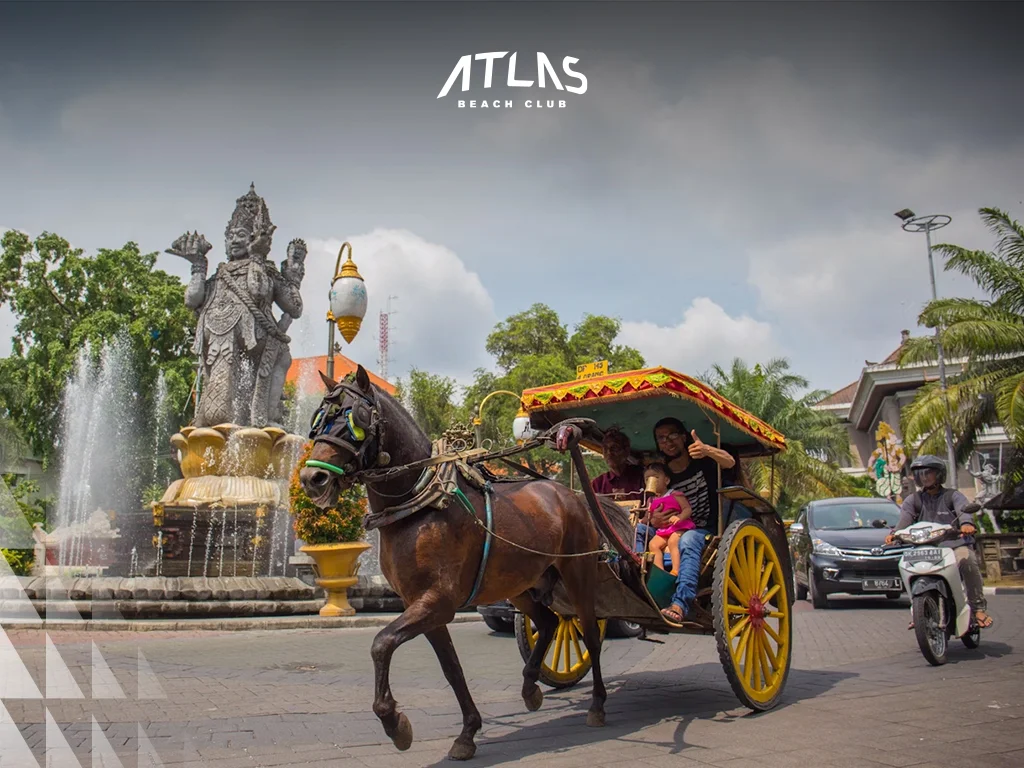
Thousands gather in Denpasar’s Puputan Square. Groups present their most elaborate Ogoh-Ogoh. Cultural performances accompany the event. Foreign tourists fill the sidewalks.
-
Largest city event
-
Professional gamelan players
-
Elaborate statues and props
2. Ubud: Traditional and Artistic Versions of Ogoh-Ogoh
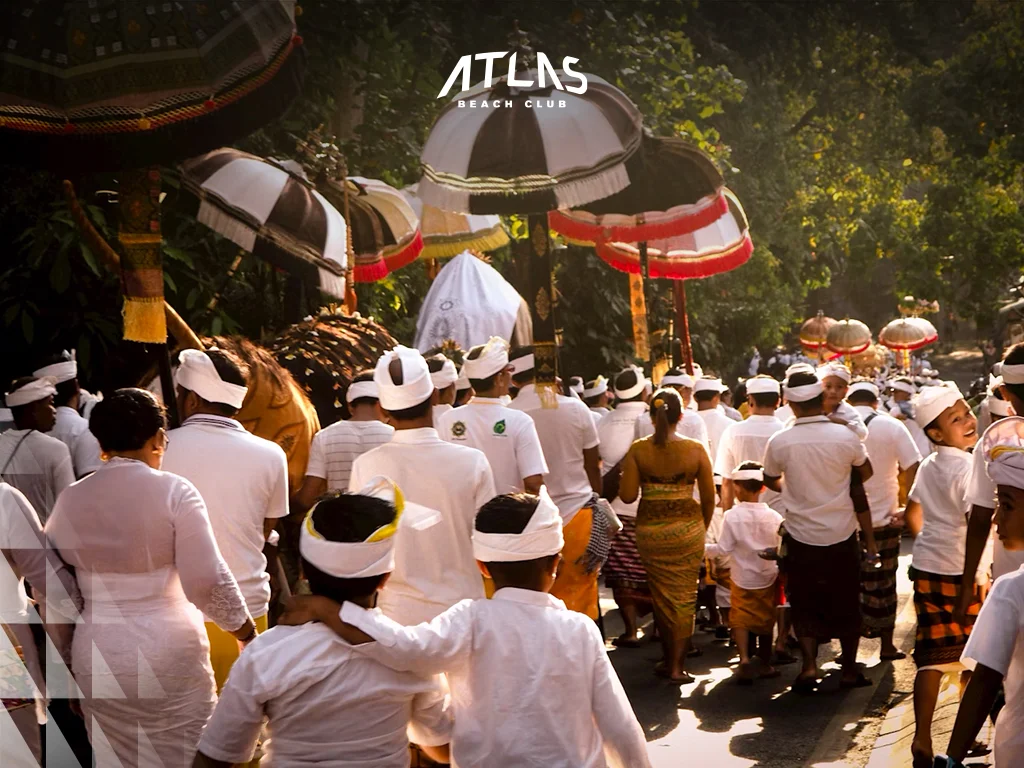
Ubud’s version highlights spiritual roots. Handmade statues reflect Hindu teachings. The crowd includes international visitors. The setting is lush and peaceful.
-
Emphasis on craft and story
-
Held near temples
-
Draws cultural enthusiasts
3. Kuta & Seminyak: Lively Beachside Processions

The beach areas bring a festive tone. Music mixes with waves. Tourists walk alongside villagers. Atlas Beach Club is nearby for relaxation.
-
Convenient for foreign tourists
-
Combines beach with tradition
-
Party atmosphere before silence
4. Smaller Villages: More Intimate and Authentic Experiences
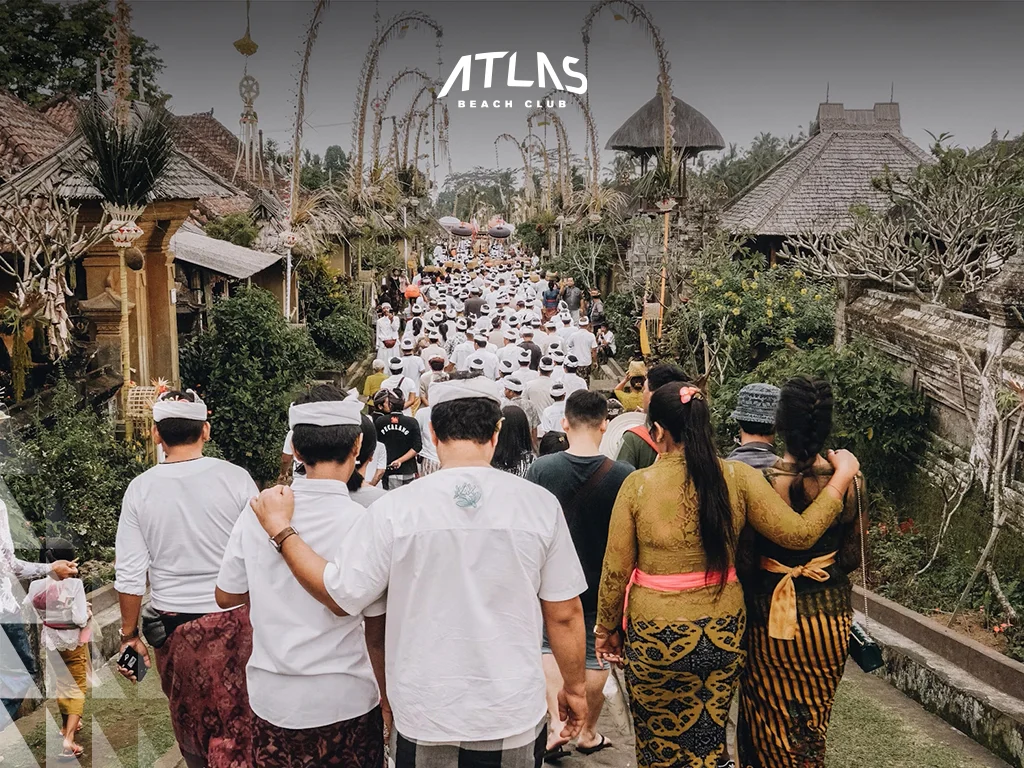
Villages showcase deep tradition. Statues may be simple but heartfelt. You can feel the community bond. They are perfect for respectful international tourists.
-
Real community involvement
-
Low crowd levels
-
Easy to ask questions
Tips for Tourists Attending the Parade
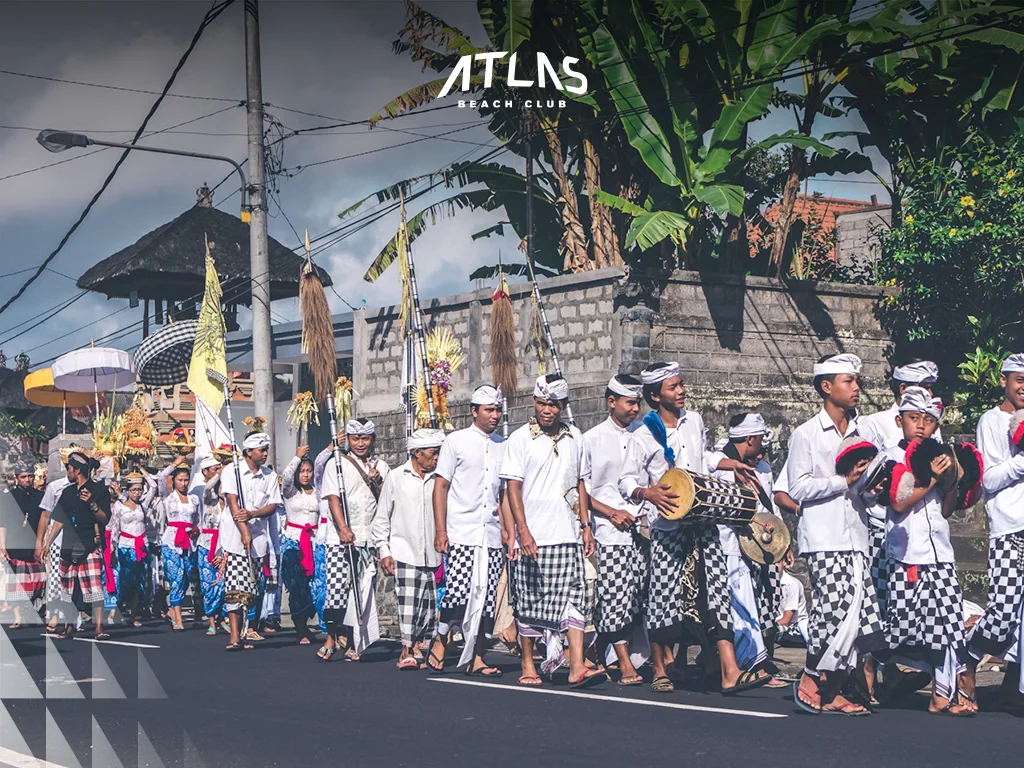
Tourists attending the Ogoh-Ogoh Parade should plan ahead for the best experience. The event attracts large crowds across Bali. Understanding local customs improves cultural appreciation. Respectful behavior ensures harmony with Balinese traditions.
Arriving Early to Get the Best Viewing Spots
Crowds form quickly in big locations. Arrive before sunset. Choose a spot near temples or intersections. Bring water and camera gear.
-
Come 1–2 hours early
-
Avoid traffic delays
-
Choose well-lit areas
-
Use respectful observation
Respecting Local Customs and Traditions During the Event
Dress modestly and behave politely. Avoid standing in the middle of processions. Follow crowd control lines. Listen to local guidance.
-
Cover shoulders and legs
-
No loud behavior or pushing
-
Respect temple spaces
-
Ask before filming close-ups
Capturing the Moment: Photography and Video Tips
Use natural lighting for clarity. Keep a distance from statues. Avoid flash during rituals. Share with cultural awareness.
-
Night settings for phone cameras
-
Tripod helps in low light
-
Focus on the ceremony, not selfies
Safety Tips: Handling Large Crowds and Avoiding Sensitive Situations
Stick with your group. Know exit routes. Watch your belongings. Stay clear of fire elements.
-
Stay alert in crowds
-
Keep valuables secure
-
Follow safety signs
-
Avoid jumping barriers
Summary Table: Ogoh-Ogoh Parade
|
Aspect |
Description |
Significance |
|
Cultural Symbolism |
Effigies represent evil spirits |
Cleanses energy before Nyepi |
|
Tourist Experience |
Spectacular parade, music, and art |
Offers cultural insight for international guests |
|
Best Locations |
Denpasar, Ubud, Kuta, Seminyak, villages |
Each area provides a unique experience |
FAQs
1. What is the purpose of the Ogoh-Ogoh Parade?
It purifies the island from evil spirits before Nyepi through symbolic rituals.
2. When does the Ogoh-Ogoh Parade happen?
It takes place on the evening before Nyepi, the Balinese Day of Silence.
3. Can foreign tourists attend the parade?
Foreign and international tourists are welcome and encouraged to watch respectfully.
4. Where is the best place to see the parade?
Top locations are Puputan Square in Denpasar, Ubud, and Kuta.
5. Why are the Ogoh-Ogoh statues burned?
Burning symbolizes the destruction of negativity and evil.

Conclusion
The Ogoh-Ogoh Parade brings vibrant energy before Bali’s day of silence. It mixes myth, art, and cultural tradition. Respectful foreign and international tourists enjoy this unforgettable event. End your evening at Atlas Beach Club for relaxation and reflection.
Latest News

You Might Also Like

10 The Best Honeymoon Destinations in Southeast Asia in 2024/2025
Explore the top honeymoon destinations in Southeast Asia for 2024! From Bali's beaches to Laos' char...
The Best Beach Club For Venue in Bali: Special Location!
Discover the best beach club for venue in Bali for weddings, parties, and corporate events. Enjoy st...

Experience Your Best Party Now with Atlas Private Event Package
Bali always offers a wide range of luxurious and exclusive venues for private events. Therefore, no...

Melasti Beach: Bali Hidden Gem for Beach Lovers in 2025
Discover Melasti Beach, Bali’s hidden gem in 2025! Learn about activities, facilities, and nearby at...